Power and energy
Kilowatts, or kW, describe power. Kilowatt-hours, or kWh, describe energy used, generated or stored over time. Solar panel capacity, inverter power and battery energy capacity describe different parts of a system.

The right starting point is your roof, electricity use and what you want the system to do. A considered design explains the equipment and its expected role before you decide to go ahead.
This guide covers the questions to ask when comparing a home solar proposal, including future battery storage and ongoing support.
Available roof space, orientation and shading influence a solar design. The roof condition, electrical supply and network requirements also need to be assessed before the installation scope is confirmed.
We look at when your household uses electricity, not just the bill total. Daytime use, evening demand and seasonal changes matter, as do future plans for an EV, electric heating or hot water.
Existing solar needs a review before we confirm what can be retained or expanded. A site consultation or remote review gives us a starting point for the checks your property needs.
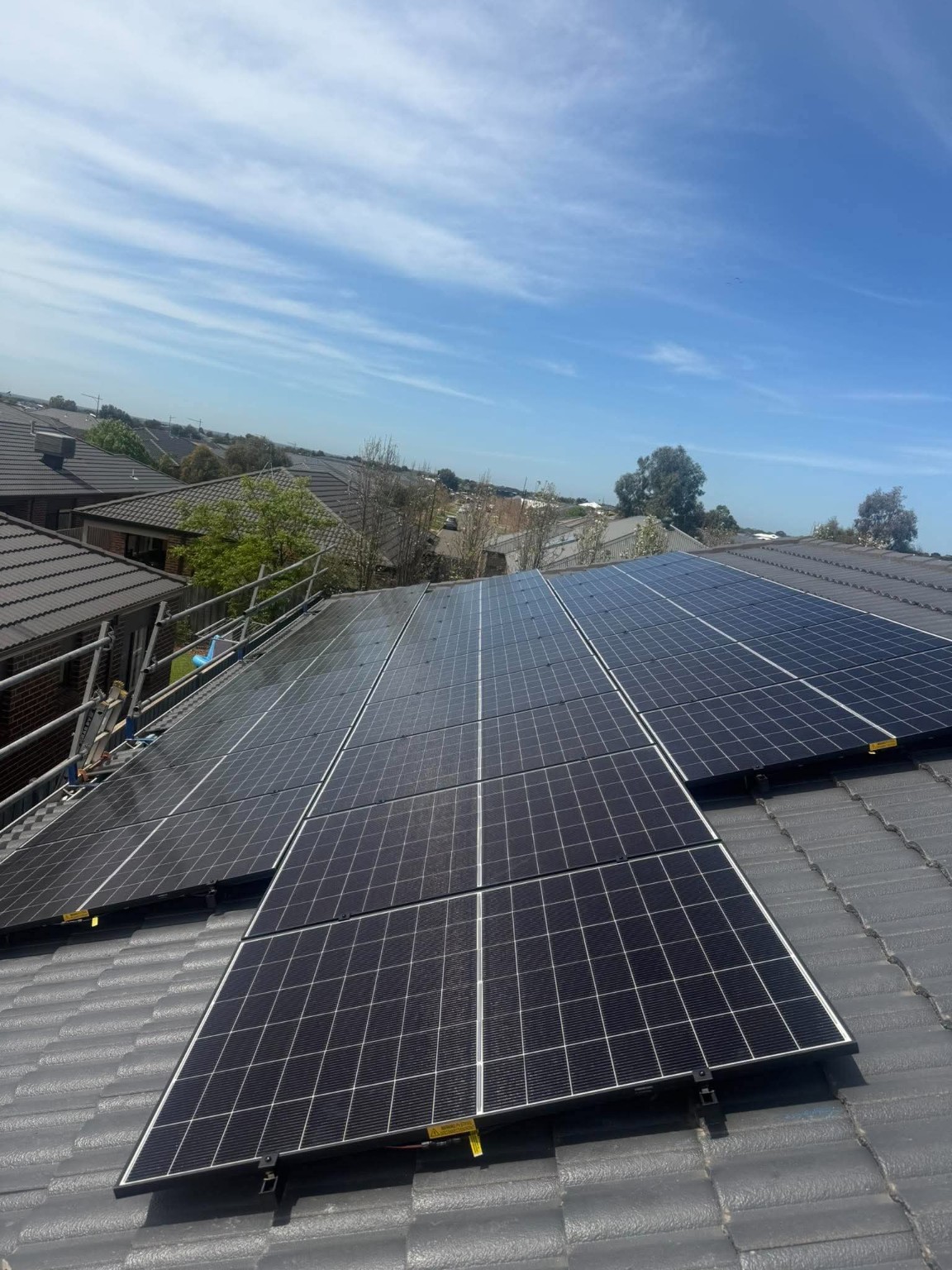
Kilowatts, or kW, describe power. Kilowatt-hours, or kWh, describe energy used, generated or stored over time. Solar panel capacity, inverter power and battery energy capacity describe different parts of a system.
Self-consumption means using your solar generation in your home. The timing of appliances affects how much you use directly. Surplus may be exported subject to the approved design and network conditions; a battery can store some energy for later.
Discuss a battery, EV charging or electrification before finalising the design. We focus on Sigenergy for new inverter, battery and EV charging proposals. Later additions remain subject to compatibility, supply and site checks.
Generation and savings vary with the property, weather, equipment, electricity plan and how you use energy. Ask what assumptions sit behind any forecast, and treat a backup arrangement as a separately defined part of the design.
Explore Vortex solar installation →Compare the listed equipment, installation work, exclusions and any required approvals. Confirm the equipment and workmanship warranty terms, the handover information you will receive and who to contact for support.
Choose a site consultation or a remote review with Vortex Electrical. Our team reviews the information and follows up with you about the next step.
0468 005 291 · Local Vortex team
Check the current program rules before relying on a rebate or certificate discount. Your proposal should identify any incentives included and the conditions that apply to your installation.
A feed-in tariff is the credit your retailer offers for exported electricity. Check your current offer and the full plan details when comparing retailers.